
Menu
- About
- C.V.
- The Lost Years (B&W)
- City in the Clouds (Color Inversion)
- The L.A. River (B&W)
- In the Garden at Chislehurst (B&W)
- Lunar Sanctuaries & Lunar Fields (B&W/Color Mixed-Media)
- We are Stardust, We are Golden (Color)
- Paths (B&W)
- Representation
- Reviews
- Licensing Portfolio
- Laurie Freitag Catalog (Rep. Duncan Miller Gallery)
- Support My Work
- Contact Artist/Mailing List
- Frames of Mind Portfolio

Frames of Mind Portfolio
Laurie Freitag
FRAMES OF MIND
I’ve been thinking a lot about how far I can take a photograph before it becomes something else.
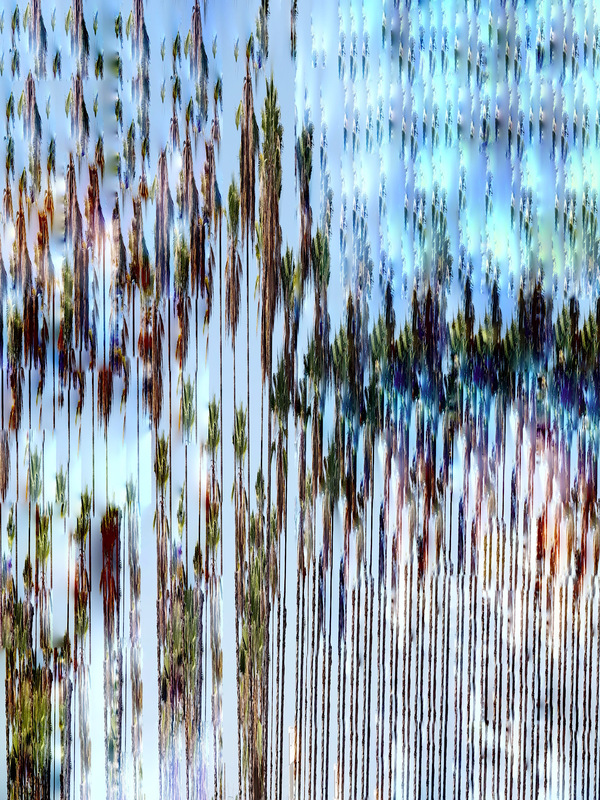
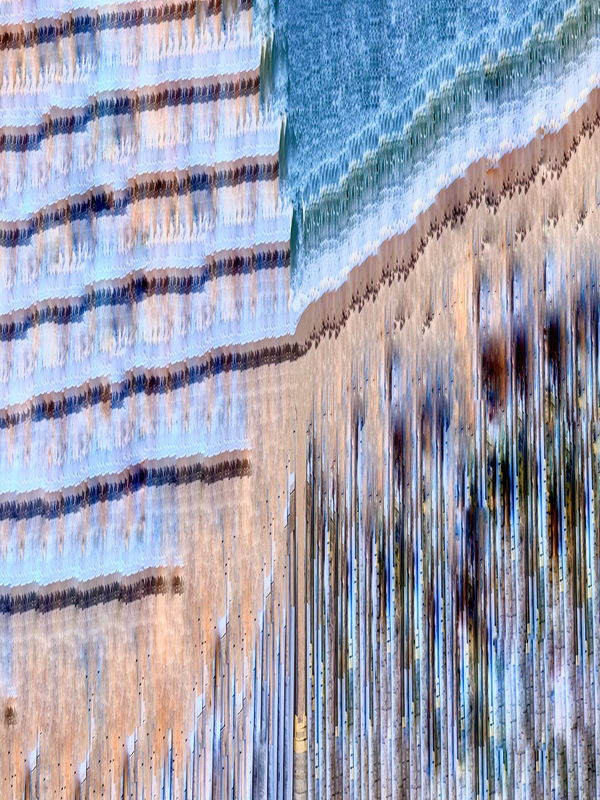
These works begin with photographs I’ve made on my iPhone. I use the Perspective tool in Snapseed, shifting and cropping the image vertically and horizontally, over and over. Each move changes the structure of the photograph. Sections begin to repeat, separate, overlap and build on one another. I’m not cutting pieces out and assembling a collage. I’m working within the original photograph, stretching and shifting what is already there until the image begins to behave differently.
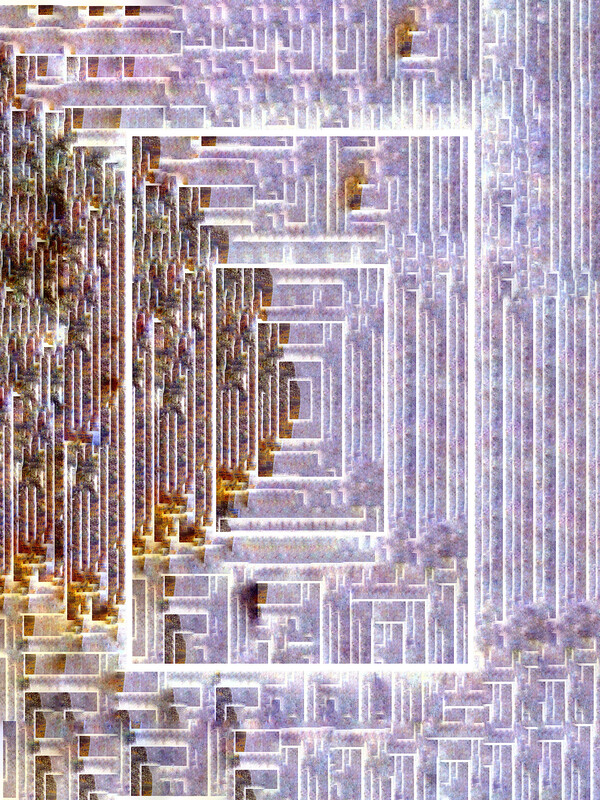
I don’t start with a plan for what the finished piece will look like. I respond to the photograph itself — to its lines, color, light, shapes and spaces — and follow whatever begins to happen. Some images break into bands or fragments. Others become layered or architectural. In some, rectangles begin appearing inside other rectangles.Those rectangles made me think about screens.
I spent years working around television, and now so much of my life is spent looking into the screen of a phone or laptop. I’ve also watched very young children reach for a parent’s phone long before they understand what it is. They already know that people look into this little rectangle and that something happens there. Faces appear. Images move. Words appear. Attention is pulled inside.
That idea became part of the work. The rectangles, repeated images and words all belong to the same visual language. The words are not captions placed on top of the photographs to explain them. They are part of the image itself. Sometimes a word changes the way the photograph is read. Sometimes it interrupts it. Sometimes the image and the word seem to answer each other.
Not every piece contains a literal frame, and not every piece contains words. What connects the work is the way the original photograph is pushed beyond its first function as a record of what was in front of me. The photograph becomes material — something I can move through, open up, repeat, compress, stretch and reconsider.
I’m interested in the point where the photograph stops behaving like a record of what I saw and starts becoming something else. I don’t begin with a finished image in mind. I keep pushing the photograph, responding to what happens, until it gives me something I couldn’t have planned. That moment of discovery is what keeps me working.
Laurie Freitag
FRAMES OF MIND
I’ve been thinking a lot about how far I can take a photograph before it becomes something else.
These works begin with photographs I’ve made on my iPhone. I use the Perspective tool in Snapseed, shifting and cropping the image vertically and horizontally, over and over. Each move changes the structure of the photograph. Sections begin to repeat, separate, overlap and build on one another. I’m not cutting pieces out and assembling a collage. I’m working within the original photograph, stretching and shifting what is already there until the image begins to behave differently.
I don’t start with a plan for what the finished piece will look like. I respond to the photograph itself — to its lines, color, light, shapes and spaces — and follow whatever begins to happen. Some images break into bands or fragments. Others become layered or architectural. In some, rectangles begin appearing inside other rectangles.Those rectangles made me think about screens.
I spent years working around television, and now so much of my life is spent looking into the screen of a phone or laptop. I’ve also watched very young children reach for a parent’s phone long before they understand what it is. They already know that people look into this little rectangle and that something happens there. Faces appear. Images move. Words appear. Attention is pulled inside.
That idea became part of the work. The rectangles, repeated images and words all belong to the same visual language. The words are not captions placed on top of the photographs to explain them. They are part of the image itself. Sometimes a word changes the way the photograph is read. Sometimes it interrupts it. Sometimes the image and the word seem to answer each other.
Not every piece contains a literal frame, and not every piece contains words. What connects the work is the way the original photograph is pushed beyond its first function as a record of what was in front of me. The photograph becomes material — something I can move through, open up, repeat, compress, stretch and reconsider.
I’m interested in the point where the photograph stops behaving like a record of what I saw and starts becoming something else. I don’t begin with a finished image in mind. I keep pushing the photograph, responding to what happens, until it gives me something I couldn’t have planned. That moment of discovery is what keeps me working.


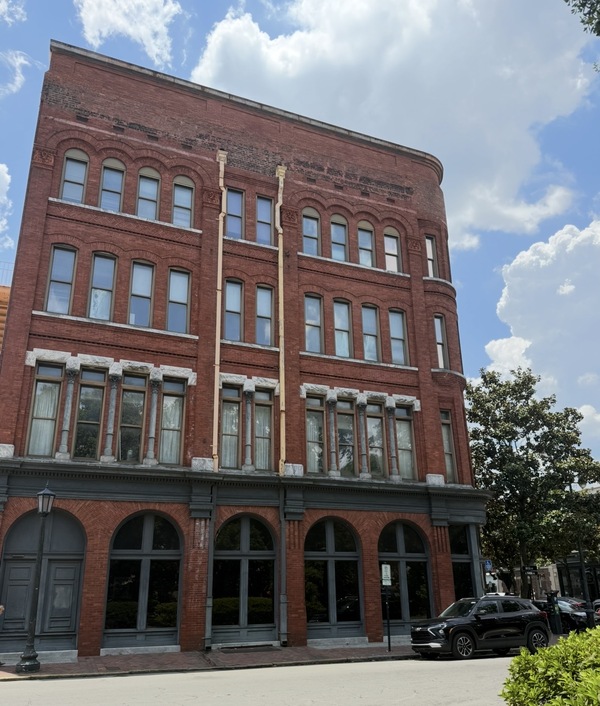
Here is an example of my process. I start with this original image. See image #2 and #3.
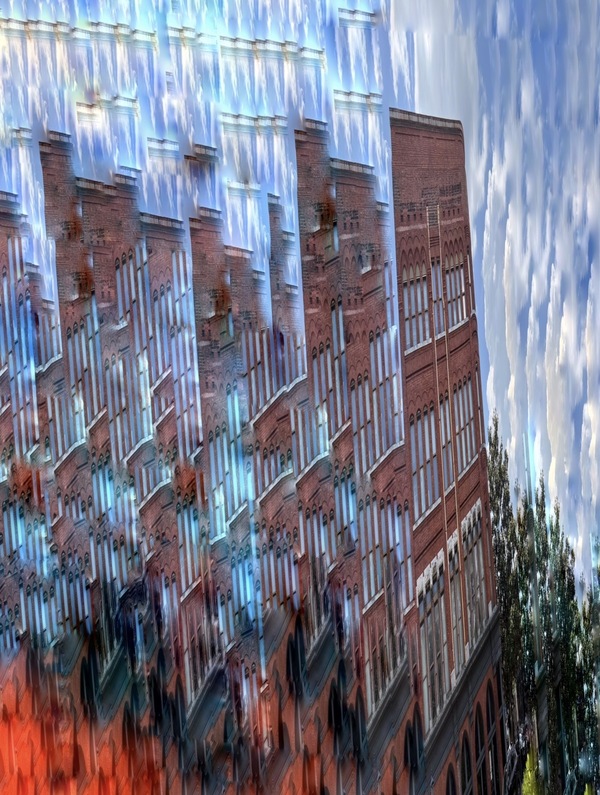
#2
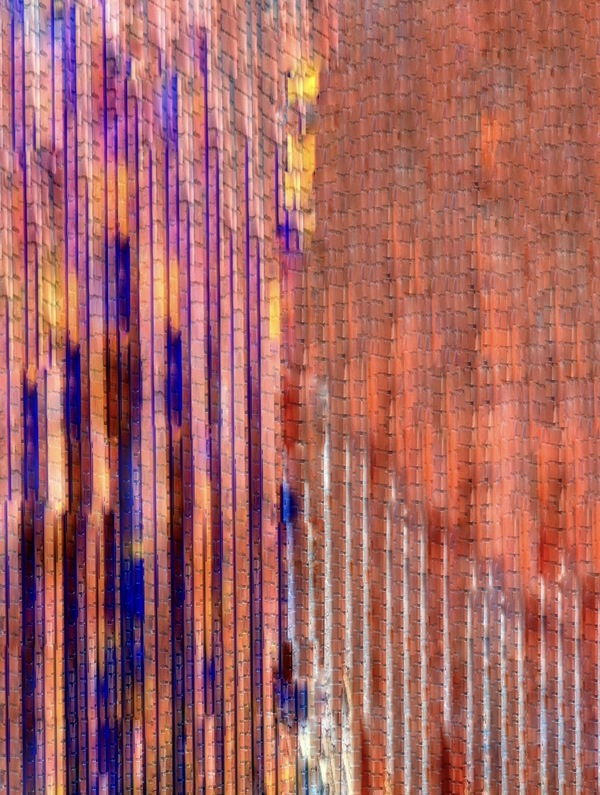
#3
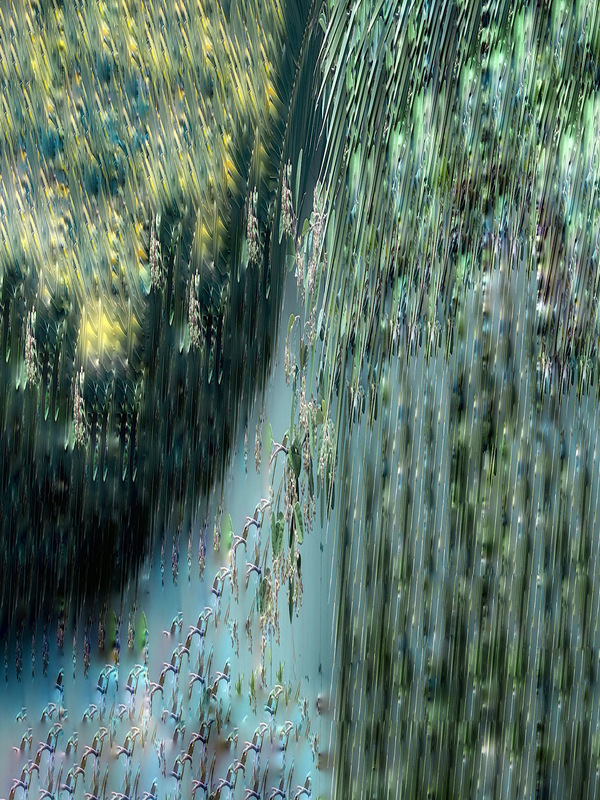





Frames of Mind Portfolio
2026, The Phoblographer Magazine named Laurie Freitag one of "10 Incredible Women Photographers to Follow"
-------------------------------
COPYRIGHT NOTICE
All images contained on this website remain the property of Laurie Freitag. Images may not be downloaded, reproduced, copied, projected, or used in any way without express written permission.
An icompendium Site


